
Why Most Focus Apps Fail the Moment You Get Distracted
# Why Most Focus Apps Fail the Moment You Get Distracted
Most focus apps are good at one thing:
starting a timer.
The problem starts after that.
Because distractions usually do not happen as a conscious decision.
Nobody sits down and says:
“Time to ruin my focus session.”
It usually starts with something smaller.
You check one notification. Open Instagram for “two seconds.” Unlock your phone without thinking. Switch apps in the middle of work because your brain wants stimulation.
Then suddenly 20 minutes disappear.
That is the part most focus apps completely ignore.
Timers Track Time. They Don’t React.
A normal focus timer assumes the difficult part is starting.
But for most people, especially during deep work or studying, the difficult part is recovering after attention slips.
Once you drift into another app, the session is already emotionally broken.
And if the app quietly keeps counting time while you doomscroll TikTok, the timer stops meaning anything.
That creates fake productivity.
The session looks successful in the stats, but mentally the focus was gone 15 minutes ago.
Distraction Is Usually Automatic
One of the biggest things I noticed while building CogniFocus:
people rarely “quit” focus sessions directly.
They slowly leak attention out of them.
The dangerous part is how normal it feels while it is happening.
Your brain says:
- “I’ll just check one thing.”
- “This will take two seconds.”
- “I’m still technically working.”
Then the momentum disappears.
This is why passive timers often fail against social media apps.
TikTok, Instagram, YouTube Shorts and similar apps are designed to remove friction between impulses and actions.
A silent countdown in the corner of the screen usually cannot compete with that.
Why Reactive Focus Systems Feel Different
Instead of only counting time, reactive systems interrupt the distraction loop itself.
That changes the experience completely.
The moment you drift:
- the session reacts
- the blocker responds
- the companion notices
- the interruption becomes visible
That tiny moment of friction matters more than most people realize.
Because attention recovery is often decided in seconds.
The Goal Is Not Perfect Discipline
A lot of productivity advice treats focus like a motivation problem.
Usually it is not.
Most people already want to focus.
The real issue is:
- automatic app switching
- endless micro-distractions
- losing momentum mid-session
- recovering too slowly after attention slips
Good focus systems should help you recover faster, not just judge you afterward.
Why CogniFocus Was Built This Way
CogniFocus was designed around this exact problem.
Not just:
- timers
- streaks
- schedules
But the moment your attention actually starts drifting.
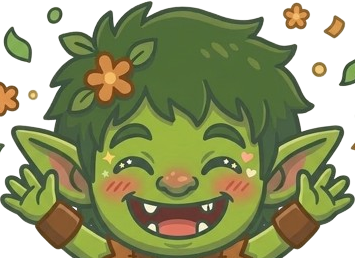
The Goblin reacts when distractions happen because that is the moment focus tools are usually needed most.
Not before the session.
During it.















 Just Hunt